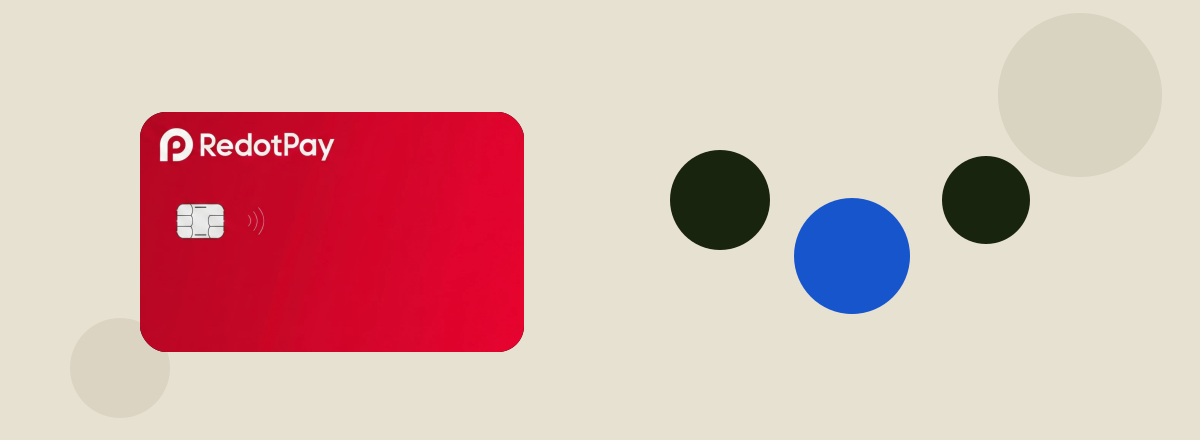
 Review
RedotPay review
Widest emerging-market reach; TRC-20 top-up from $1; flagship for unbanked. This RedotPay review breaks down the fees, cashback, custody and country coverage, who it suits, and the all-round alternative worth comparing before you sign up.
The specs (vs Fizen)
| Card | FX | Cashback | Custody | KYC |
|---|---|---|---|---|
| RedotPay ↗ Investor: Lightspeed | ~1–2% | Low | Custodial | Light (tiers) |
| Fizen Card ↗ Investor: Tether | No FX fees | Up to 10% | Self-custodial | Yes |
Pros & cons
- Pro: Cashback of Low.
- Pro: Backed by Lightspeed.
- Con: FX of ~1–2% adds up on foreign spend.
- Con: Custodial - a third party holds your balance.
- Con: Availability limited to 160+ (excl. RU, UA) - verify before signing up.
Best for remittance. RedotPay covers 160+ (excl. RU, UA).
Compare the full directory
See how this stacks up against 180+ cards by fees, custody, KYC and region.
Compare all cards →Common questions
Is the RedotPay worth it in 2026?
Widest emerging-market reach; TRC-20 top-up from $1; flagship for unbanked. Weigh the pros and cons above against how you actually spend.
Does the RedotPay require KYC?
It runs light or no KYC, which usually means lower limits and thinner protection.
Is there a better all-round option?
For most people Fizen is the stronger all-rounder: no FX fees, up to 10% cashback you can take as stablecoins, gift cards or FIZEN token (from FiPoints), self-custody, and it is backed by Tether. It is worth comparing before you commit to RedotPay.
Sources: each issuer's official site for card specs; blog.fizen.io and fizen.io for Fizen features. Specs are indicative and change often - verify on the official site before signing up. Educational only, not financial advice.